Feminize- Women’s Vitality Formula
Feminize- Women’s Vitality Formula
Couldn't load pickup availability
Female Vitality for Mood, Drive & Whole-Body Wellness
Why Feminize Matters:
Your biology is designed for vitality, passion, and balanced energy. But modern stress, hormonal shifts, and nutrient depletion often leave women feeling fatigued, disconnected, or just “off.” Feminize addresses this gap at the root- supporting hormonal health, mood clarity, and natural drive so your body, mind, and spirit align in harmony.
What It Is:
Feminize is the Freeman Formula premium women’s vitality complex, formulated to enhance arousal, boost libido, and balance mood and hormones with advanced botanicals, vitamins, and amino acids. This isn’t just a supplement it’s a daily ritual for female empowerment and restoration.
Key Benefits:
🔥 Boosts Arousal & Drive – Supports natural sexual response and energy*
🌸 Mood & Hormonal Balance – Adaptogens and nutrients for calm, focused vitality*
⚡ Enhanced Libido & Response – Helps improve sensitivity and stimulation*
🧘 Whole-Body Wellness Support – Vitamins, zinc, and herbal blend for systemic vitality*
🛡️ Endurance & Recovery – Supports stamina, circulation, and overall wellness in women*
Who It’s For:
Feminize is ideal for women who:
Want to restore natural energy, passion, and desire
Are experiencing hormonal shifts, fatigue, or low libido
Seek mood clarity, enhanced vitality, and female-specific wellness
Want daily support that aligns with mind, body, and spirit
Why You’ll Love It:
You’ll feel the difference: better mood, stronger connection, resilient energy and results you can see and feel. Clean, powerful, and crafted with intention: no fillers, no fluff. Just high-quality nutrients built for you.
Directions for Use:
Take 2 capsules daily with a full glass of water. For enhanced support during key phases or cycles, follow label instructions or consult your healthcare professional. Use consistently for best results.
A blend of natural herbs and vitamins that are specifically formulated to naturally help enhance female libido levels, stamina, sexual stimulation, and enjoyment.*
1. What is Feminize?
Feminize is a women’s vitality supplement designed to support libido, arousal, mood balance, and feminine wellness. It uses vitamins, adaptogens, and botanical extracts that help the body restore natural energy, desire, and emotional harmony.*
2. How does Feminize work?
Feminize supports female sexual wellness by improving circulation, supporting mood-related hormones, enhancing natural energy, and nourishing the nervous system. It includes zinc, B vitamins, maca, damiana, ginseng, and other botanicals that promote desire, sensitivity, and overall vitality.*
3. Who should take Feminize?
Feminize is created for women who want to improve libido, boost arousal, balance their mood, and feel more vibrant. It is especially helpful during times of stress, hormonal shifts, low energy, or when intimacy feels diminished.*
4. How do I take Feminize and when will I feel results?
Take 2 capsules daily with water. Many women begin noticing improved mood and energy within 7 to 10 days, with enhanced libido and sensitivity appearing in 2 to 4 weeks of consistent use. Results vary from person to person.*
5. Can I take Feminize with other Freeman Formula products?
Yes. Feminize pairs well with foundational formulas such as Alkalize, Immunize, Foundation Protein, Synergize, and Vitalize. Always follow the directions on each label. If you are pregnant, nursing, or taking medications, speak with your healthcare provider.*
6. Is Feminize safe?
Feminize uses ingredients that have been shown to support female health. Avoid use if pregnant or breastfeeding. If you have a medical condition or take prescription medication, consult your healthcare provider before use.*
7. Does Feminize contain stimulants?
No artificial stimulants are added. The energy and mood benefits come from adaptogens and micronutrients that naturally support circulation and vitality.*
8. What makes Feminize different from other women’s libido supplements?
Feminize supports multiple systems at once. It helps balance mood, improve circulation, nourish the nervous system, support hormones, and enhance overall vitality. It contains clean ingredients, no unnecessary fillers, and follows Freeman Formula’s spirit, mind, and body philosophy for complete feminine wellness.*
| Formula Purposes & Benefits |
|
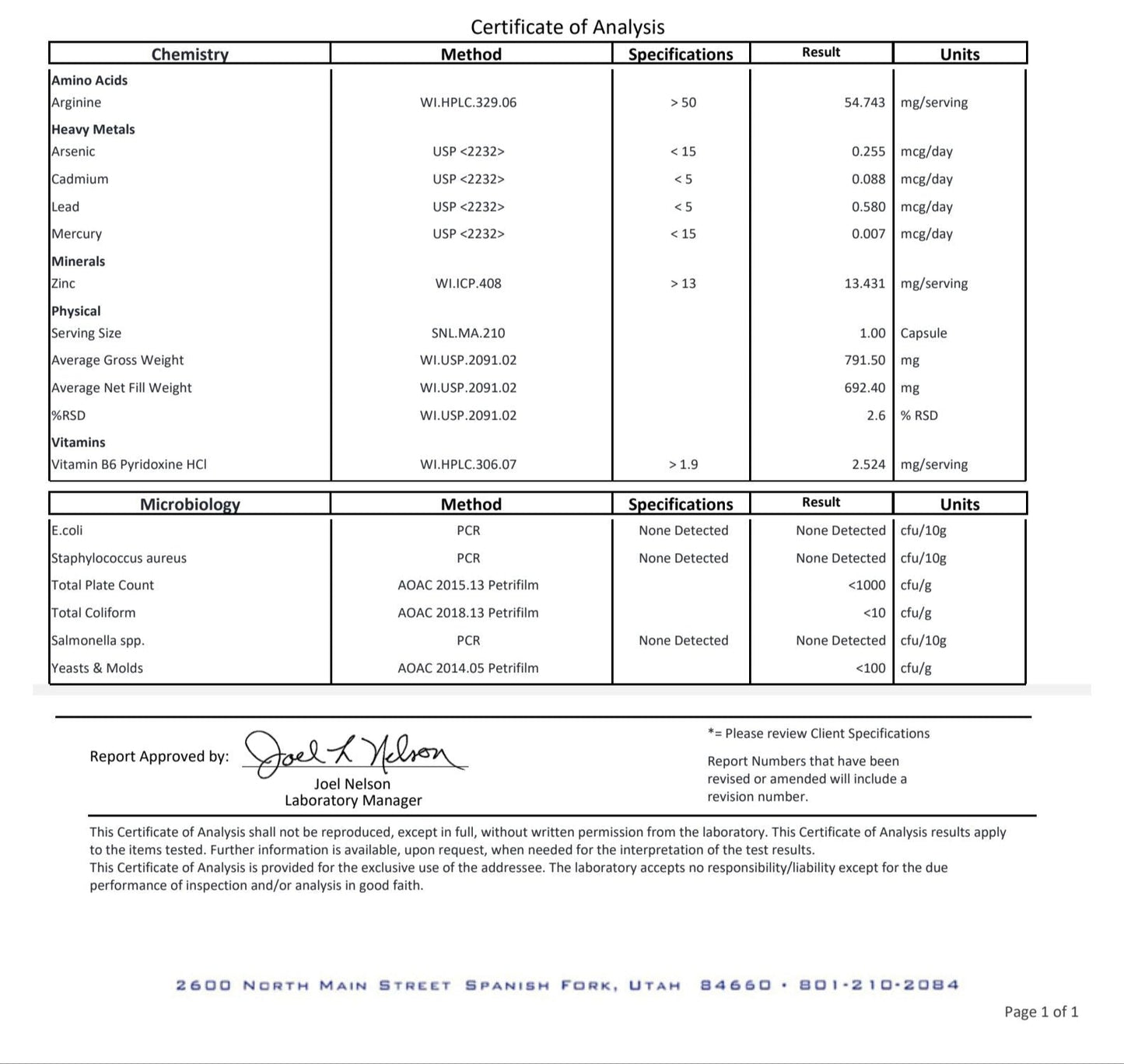
Feminize is formulated to increase sexual arousal, sexual function, positive mood, reduced cortisol, increased nitric oxide production, increased muscle mass, and improved exercise performance. Our product is synthesized utilizing the latest scientific research and formulated with high-quality ingredients. Our formula is third-party independently tested for heavy metals, impurities, made in the USA, GMP certified, and produced in an FDA registered facility. 1% of the supplements on the market can match our world-class standards. |
| Formula Ingredient Deck | Benefits Of Each Ingredient |
| Vitamin A (beta carotene) |
|
| Vitamin B1 (Thiamine) |
|
| Vitamin B2 (Riboflavin) |
|
| Vitamin B3 (Niacin) |
|
| Vitamin B6 |
|
| Vitamin B12 |
|
| Zinc |
|
| L-Tyrosine |
|
| Maca Root Powder |
|
| Munica Pruriens |
|
| Muira Puama Root Powder |
|
| L-Arginine |
|
| Panax Ginseng |
|
| Epimedium/Horny Goat Weed |
|
| Dong Quai |
|
| Tribulus Terrestris |
|
| Damiana |
|
| Ashwagandha |
|
| Ginger |
|
| Sarsaparilla root |
|
| Asparagus |
|
| Proper Use of This Supplement |
| Suggested Use: As a dietary supplement take two (2) veggie capsules once a day. For best results, light exercise and a sensible diet are recommended. Use this product for no less than 8 weeks for maximum results. Do not exceed 4 capsules a day. |
| Our Formula Vs Other Formulas on the Market. | |
| 1. Uses third-party independently tested ingredients that are made in the USA, GMP certified, and made in an FDA registered facility. | 1. Source cheap ingredients from heavily polluted soils. Even “organic” supplements not third-party tested have been removed by FDA due to high levels of heavy metals. |
| 2. High-quality turmeric and ginger in an effective and efficaciously dosed formula | 2. Uses cheap sources of turmeric and ginger that contain high amounts of fillers and heavy metals. |
Sources
1.Sureda, A., & Pons, A. (2012). Arginine and citrulline supplementation in sports and exercise: ergogenic nutrients?. Medicine and sport science, 59, 18–28. https://doi.org/10.1159/000341937
2.Szefel, J., Danielak, A., & Kruszewski, W. J. (2019). Metabolic pathways of L-arginine and therapeutic consequences in tumors. Advances in medical sciences, 64(1), 104–110. https://doi.org/10.1016/j.advms.2018.08.018
3.Rodrigues-Krause, J., Krause, M., Rocha, I., Umpierre, D., & Fayh, A. (2018). Association of l-Arginine Supplementation with Markers of Endothelial Function in Patients with Cardiovascular or Metabolic Disorders: A Systematic Review and Meta-Analysis. Nutrients, 11(1), 15. https://doi.org/10.3390/nu11010015
4.Hu, S., Han, M., Rezaei, A., Li, D., Wu, G., & Ma, X. (2017). L-Arginine Modulates Glucose and Lipid Metabolism in Obesity and Diabetes. Current protein & peptide science, 18(6), 599–608. https://doi.org/10.2174/1389203717666160627074017
9.Gasperi, V., Sibilano, M., Savini, I., & Catani, M. V. (2019). Niacin in the Central Nervous System: An Update of Biological Aspects and Clinical Applications. International journal of molecular sciences, 20(4), 974. https://doi.org/10.3390/ijms20040974
10.Gentilcore D. (2016). Louis Sambon and the Clash of Pellagra Etiologies in Italy and the United States, 1905-14. Journal of the history of medicine and allied sciences, 71(1), 19–42. https://doi.org/10.1093/jhmas/jrv002
11.Kirkland J. B. (2009). Niacin status and treatment-related leukemogenesis. Molecular cancer therapeutics, 8(4), 725–732. https://doi.org/10.1158/1535-7163.MCT-09-0042
12.Hoskin, P., Rojas, A., & Saunders, M. (2009). Accelerated radiotherapy, carbogen, and nicotinamide (ARCON) in the treatment of advanced bladder cancer: mature results of a Phase II nonrandomized study. International journal of radiation oncology, biology, physics, 73(5), 1425–1431. https://doi.org/10.1016/j.ijrobp.2008.06.1950
- Ueland, P. M., McCann, A., Midttun, Ø., & Ulvik, A. (2017). Inflammation, vitamin B6 and related pathways. Molecular aspects of medicine, 53, 10–27. https://doi.org/10.1016/j.mam.2016.08.001
- Bird R. P. (2018). The Emerging Role of Vitamin B6 in Inflammation and Carcinogenesis. Advances in food and nutrition research, 83, 151–194. https://doi.org/10.1016/bs.afnr.2017.11.004
- Mascolo, E., & Vernì, F. (2020). Vitamin B6 and Diabetes: Relationship and Molecular Mechanisms. International journal of molecular sciences, 21(10), 3669. https://doi.org/10.3390/ijms21103669
- van de Lagemaat, E. E., de Groot, L., & van den Heuvel, E. (2019). Vitamin B12in Relation to Oxidative Stress: A Systematic Review. Nutrients, 11(2), 482. https://doi.org/10.3390/nu11020482
- Romain, M., Sviri, S., Linton, D. M., Stav, I., & van Heerden, P. V. (2016). The role of Vitamin B12 in the critically ill--a review. Anaesthesia and intensive care, 44(4), 447–452. https://doi.org/10.1177/0310057X1604400410
- Shipton, M. J., & Thachil, J. (2015). Vitamin B12 deficiency - A 21st century perspective . Clinical medicine (London, England), 15(2), 145–150. https://doi.org/10.7861/clinmedicine.15-2-145
- Hoffer, L. J., Sher, K., Saboohi, F., Bernier, P., MacNamara, E. M., & Rinzler, D. (2003). N-acetyl-L-tyrosine as a tyrosine source in adult parenteral nutrition. JPEN. Journal of parenteral and enteral nutrition, 27(6), 419–422. https://doi.org/10.1177/0148607103027006419
- Ipson, B. R., & Fisher, A. L. (2016). Roles of the tyrosine isomers meta-tyrosine and ortho-tyrosine in oxidative stress. Ageing research reviews, 27, 93–107. https://doi.org/10.1016/j.arr.2016.03.005
- Langade, D., Kanchi, S., Salve, J., Debnath, K., & Ambegaokar, D. (2019). Efficacy and Safety of Ashwagandha (Withania somnifera) Root Extract in Insomnia and Anxiety: A Double-blind, Randomized, Placebo-controlled Study. Cureus, 11(9), e5797. https://doi.org/10.7759/cureus.5797
- Bonilla, D. A., Moreno, Y., Gho, C., Petro, J. L., Odriozola-Martínez, A., & Kreider, R. B. (2021). Effects of Ashwagandha (Withania somnifera) on Physical Performance: Systematic Review and Bayesian Meta-Analysis. Journal of functional morphology and kinesiology, 6(1), 20. https://doi.org/10.3390/jfmk6010020
- Thakur, K., Tomar, S. K., Singh, A. K., Mandal, S., & Arora, S. (2017). Riboflavin and health: A review of recent human research. Critical reviews in food science and nutrition, 57(17), 3650–3660. https://doi.org/10.1080/10408398.2016.1145104
- Suwannasom, N., Kao, I., Pruß, A., Georgieva, R., & Bäumler, H. (2020). Riboflavin: The Health Benefits of a Forgotten Natural Vitamin. International journal of molecular sciences, 21(3), 950. https://doi.org/10.3390/ijms21030950
- DiNicolantonio, J. J., Niazi, A. K., Lavie, C. J., O'Keefe, J. H., & Ventura, H. O. (2013). Thiamine supplementation for the treatment of heart failure: a review of the literature. Congestive heart failure (Greenwich, Conn.), 19(4), 214–222. https://doi.org/10.1111/chf.12037
- Saedisomeolia, A., & Ashoori, M. (2018).Thiamine in Human Health: A Review of Current Evidences. Advances in food and nutrition research, 83, 57–81. https://doi.org/10.1016/bs.afnr.2017.11.002
- Hasani, H., Arab, A., Hadi, A., Pourmasoumi, M., Ghavami, A., & Miraghajani, M. (2019). Does ginger supplementation lower blood pressure? A systematic review and meta-analysis of clinical trials. Phytotherapy research : PTR, 33(6), 1639–1647. https://doi.org/10.1002/ptr.6362
- Kuchakulla, M., Narasimman, M., Soni, Y., Leong, J. Y., Patel, P., & Ramasamy, R. (2021). A systematic review and evidence-based analysis of ingredients in popular male testosterone and erectile dysfunction supplements. International journal of impotence research, 33(3), 311–317. https://doi.org/10.1038/s41443-020-0285-x
- Fang, J., & Zhang, Y. (2017). Icariin, an Anti-atherosclerotic Drug from Chinese Medicinal Herb Horny Goat Weed. Frontiers in pharmacology, 8, 734. https://doi.org/10.3389/fphar.2017.00734
13.Dording, C. M., Schettler, P. J., Dalton, E. D., Parkin, S. R., Walker, R. S., Fehling, K. B., Fava, M., & Mischoulon, D. (2015). A double-blind placebo-controlled trial of maca root as treatment for antidepressant-induced sexual dysfunction in women. Evidence-based complementary and alternative medicine : eCAM, 2015, 949036. https://doi.org/10.1155/2015/949036
- Pathania, R., Chawla, P., Khan, H., Kaushik, R., & Khan, M. A. (2020). An assessment of potential nutritive and medicinal properties of Mucuna pruriens: a natural food legume. 3 Biotech, 10(6), 261. https://doi.org/10.1007/s13205-020-02253-x
- Rakesh B, Praveen N (2020) Chapter-10 biotechnological approaches for the production of l-DOPA: a novel and potent anti-Parkinson’s Drug from Mucuna pruriens (L.) DC. Chief Editor: 179
- Majekodunmi, S. O., Oyagbemi, A. A., Umukoro, S., & Odeku, O. A. (2011). Evaluation of the anti-diabetic properties of Mucuna pruriens seed extract. Asian Pacific journal of tropical medicine, 4(8), 632–636. https://doi.org/10.1016/S1995-7645(11)60161-2
- Ferrini, M. G., Garcia, E., Abraham, A., Artaza, J. N., Nguyen, S., & Rajfer, J. (2018). Effect of ginger, Paullinia cupana, muira puama and l- citrulline, singly or in combination, on modulation of the inducible nitric oxide- NO-cGMP pathway in rat penile smooth muscle cells. Nitric oxide : biology and chemistry, 76, 81–86. https://doi.org/10.1016/j.niox.2018.03.010
- Sellami, M., Slimeni, O., Pokrywka, A., Kuvačić, G., D Hayes, L., Milic, M., & Padulo, J. (2018). Herbal medicine for sports: a review. Journal of the International Society of Sports Nutrition, 15, 14. https://doi.org/10.1186/s12970-018-0218-y
- Sellami, M., Slimeni, O., Pokrywka, A., Kuvačić, G., D Hayes, L., Milic, M., & Padulo, J. (2018). Herbal medicine for sports: a review. Journal of the International Society of Sports Nutrition, 15, 14. https://doi.org/10.1186/s12970-018-0218-y
- Saudan, C., Baume, N., Emery, C., Strahm, E., & Saugy, M. (2008). Short term impact of Tribulus terrestris intake on doping control analysis of endogenous steroids. Forensic science international, 178(1), e7–e10. https://doi.org/10.1016/j.forsciint.2008.01.003
- Palacios, S., Soler, E., Ramírez, M., Lilue, M., Khorsandi, D., & Losa, F. (2019). Effect of a multi-ingredient based food supplement on sexual function in women with low sexual desire. BMC women's health, 19(1), 58. https://doi.org/10.1186/s12905-019-0755-9
- Das, S., & Bisht, S. S. (2013). The bioactive and therapeutic potential of Hemidesmus indicus R. Br. (Indian Sarsaparilla) root. Phytotherapy research : PTR, 27(6), 791–801. https://doi.org/10.1002/ptr.4788
- She, T., Qu, L., Wang, L., Yang, X., Xu, S., Feng, J., Gao, Y., Zhao, C., Han, Y., Cai, S., & Shou, C. (2015). Sarsaparilla (Smilax Glabra Rhizome) Extract Inhibits Cancer Cell Growth by S Phase Arrest, Apoptosis, and Autophagy via Redox-Dependent ERK1/2 Pathway. Cancer prevention research (Philadelphia, Pa.), 8(5), 464–474. https://doi.org/10.1158/1940-6207.CAPR-14-0372
- Majumdar, S., Gupta, S., Prajapati, S. K., & Krishnamurthy, S. (2021). Neuro-nutraceutical potential of Asparagus racemosus: A review. Neurochemistry international, 145, 105013. https://doi.org/10.1016/j.neuint.2021.105013
- Maywald, M., Wessels, I., & Rink, L. (2017). Zinc Signals and Immunity. International journal of molecular sciences, 18(10), 2222. https://doi.org/10.3390/ijms18102222
- Wessels, I., Rolles, B., & Rink, L. (2020). The Potential Impact of Zinc Supplementation on COVID-19 Pathogenesis. Frontiers in immunology, 11, 1712. https://doi.org/10.3389/fimmu.2020.01712

* These statements have not been evaluated by the Food and Drug Administration. This product is not intended to diagnose, treat, cure or prevent any disease.